
Which day trip suits a single long drive?
Abhaneri, Ajmer and Pushkar all make possible outings from Jaipur, but they are different journeys and should not be treated as one casual loop. Chand Baori and Harshat Mata Temple at Abhaneri lie roughly 95 km from Jaipur by road, depending on the starting point and route. Ajmer is farther southwest, while Pushkar requires a turn from the Ajmer corridor and a local approach to the ghats. Choose one destination for a relaxed day; combine Ajmer with Pushkar only if the group starts early and accepts a longer schedule. Hotel pickup, passenger count, luggage and return time matter as much as the map distance. The Abhaneri day trip page outlines the direct option, while Jaipur–Ajmer transfer details help with a one-way journey.
What will you see at Chand Baori?
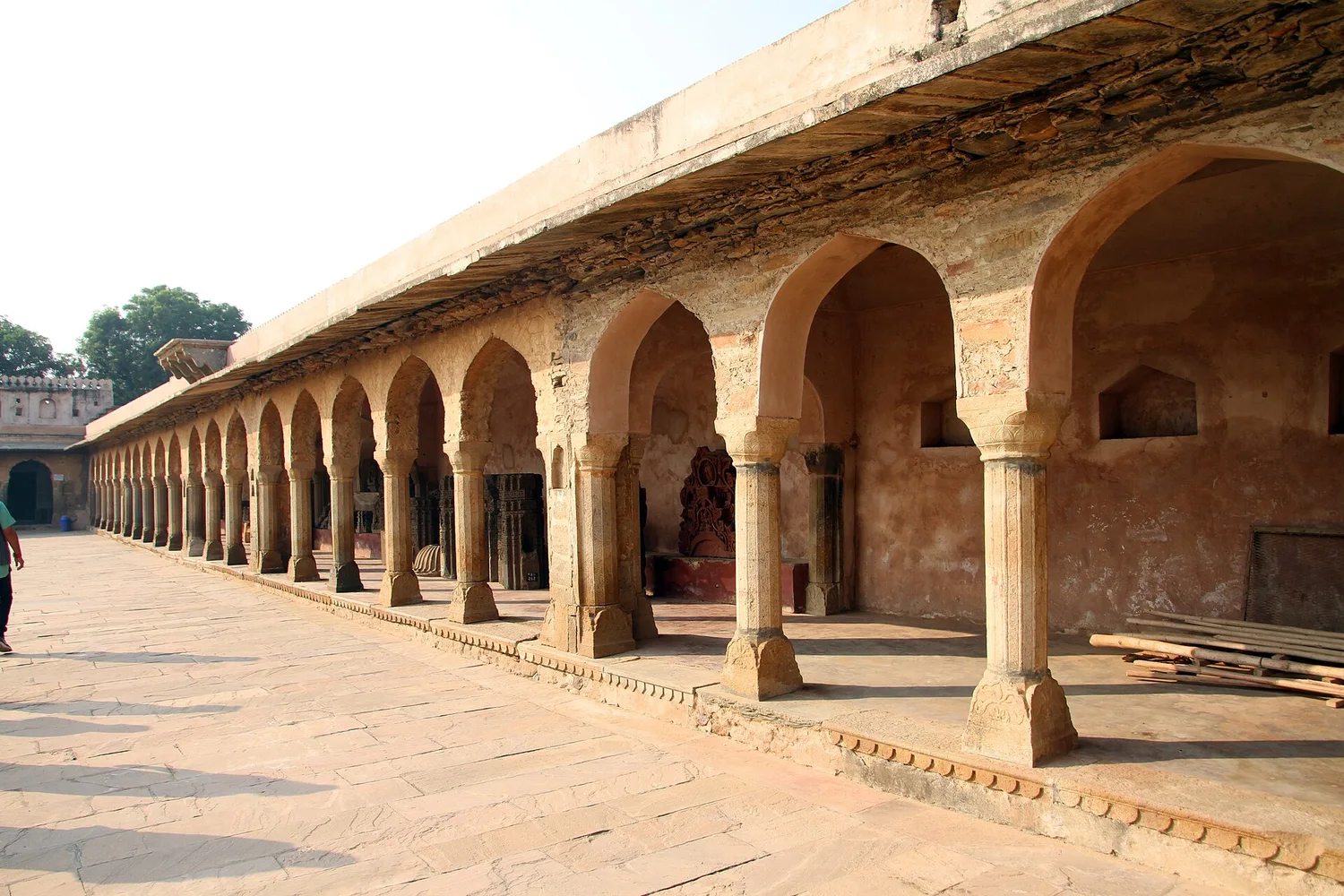
Chand Baori at Abhaneri is known for its deep, geometric flights of stairs descending toward a water basin. The structure was built as a practical water source and became an architectural landmark; its precise early history is associated with regional rulers, but popular descriptions sometimes state dates with more certainty than historians can support. View the stepwell from permitted areas and do not climb barriers for a photograph. The pattern is striking from above, where rows of steps create a dense triangular rhythm. A short stop may take under an hour, while a guided visit and the nearby temple need additional time. Opening windows and Indian or foreign entry charges are approximate; ask the counter for current details. Bring water and sun protection because the site is exposed.
How does Harshat Mata Temple complete Abhaneri?
Harshat Mata Temple stands near Chand Baori and adds a devotional and architectural layer to the village visit. Its stonework and surviving fragments offer a contrast to the precise step geometry below. Temple access and photography expectations should be checked locally, and visitors should dress respectfully. The shrine may not operate like a museum with a fixed ticket or guided route. Allow time to look around without disturbing worshippers, and ask before photographing anyone at prayer. The stepwell and temple are close enough to combine as one stop, but the car still needs an agreed parking point in the village. Ask the driver whether the approach suits the vehicle size, especially if travelling in a coach. A quiet early visit helps avoid heat on the exposed ground.
Where does Ajmer Sharif fit into a pilgrimage?
Ajmer Sharif Dargah is a major Sufi pilgrimage destination centred on the shrine of Khwaja Moinuddin Chishti. Visitors enter a crowded religious precinct where lanes can be narrow, security may be active and vehicle access is controlled. Dress modestly, cover your head if requested by local custom and follow instructions from shrine staff. Do not let a driver promise a drop beside the inner gate; drivers generally unload passengers at the public perimeter, then continue to approved parking. Agree on a return landmark and keep the driver’s number available. Queue times vary substantially, especially on Thursdays and during Urs or other busy periods. Any visiting hours or fees should be confirmed with the shrine’s current information rather than assumed. The taxi fare covers transport, not shrine offerings or personal purchases.
Why is Pushkar best approached with time to walk?
Pushkar’s Brahma Temple and sacred lake ghats sit within a compact town where the final approach may be restricted to pedestrians. The Brahma shrine has its own visitor rules; remove footwear where directed and keep camera or phone restrictions in mind. Around the lake, visitors should respect ritual bathing and avoid interrupting ceremonies. The town’s narrow market lanes are usually explored on foot from an agreed car drop. Pushkar can be combined with Ajmer because of their proximity, but each stop deserves its own time: a rushed temple queue followed by a drive back leaves little room for the ghats. Ask local staff about current access and dress expectations. Market hours, camel events and festival crowds differ by date, so verify what is happening before adding a detour.
When can Ajmer and Pushkar share a day?
An early Jaipur departure gives the best chance to visit both towns without driving after a very late dinner. Start with Ajmer Sharif if that is the day’s main purpose, then continue toward Pushkar for the Brahma Temple and a lakeside walk. The road distance and time depend on route works, city traffic and the final drop point; a single estimate cannot cover every hotel or shrine gate. Keep one meal break in Ajmer or Pushkar and avoid scheduling the return around a fixed short queue. During Urs, a major festival or a weekend, crowd controls may add significant delay. A Pushkar route booking can be quoted separately if you do not need an Ajmer stop. Confirm whether the vehicle is held for the full day or booked as a drop.
How should the route differ for a family group?
A couple with a few day bags may be comfortable in a sedan; a family with children or older relatives may prefer an Ertiga, Carens or Innova for greater cabin room. Check the boot after counting every passenger, because a full third row leaves less luggage space. A long journey is easier when each traveller can reach water and medication without unpacking the boot. Ask for air-conditioning, seat-belt availability and the exact vehicle class in the confirmation. A Tempo Traveller can keep a large pilgrimage party together, but narrow town roads may require an outer drop and additional walking. Report mobility aids, ramp preferences or short-walk needs in the booking notes. Seating capacity alone does not guarantee luggage capacity.
What should passengers know about highway stops?
Fuel, tea and washroom breaks can be planned near larger towns along the route, but the best stop depends on the driver’s road and the group’s destination time. Ask for a clean, well-lit facility and keep valuables with the passengers while the car is parked. Do not turn a short service stop into an unplanned shopping excursion if a shrine queue is the priority. Carry drinking water, motion-sickness medication if needed and a power bank. The driver should know whether the group wants a meal before Ajmer, after Pushkar or on the return. Add the break time to the day plan instead of expecting a fixed arrival estimate to include it.
Who should consider splitting the itinerary overnight?
Travellers who want a long darshan, a leisurely Pushkar evening or time for Abhaneri’s architecture may find an overnight stay more comfortable than a return drive after dark. Abhaneri is most naturally treated as its own day trip; combining it with Ajmer and Pushkar creates a wide arc and reduces time at each place. Check hotel availability, shrine schedules and the next morning’s departure before booking. A multi-day cab plan should state where the driver stays, what daily kilometres are included and how driver expenses are handled. Keep a buffer for roadwork and weather. A brief written plan identifies the priority stop if a delay makes another visit impractical. The Rajasthan cab itinerary service can price a custom sequence once dates and overnight addresses are known.