How did the City Palace grow with Jaipur?
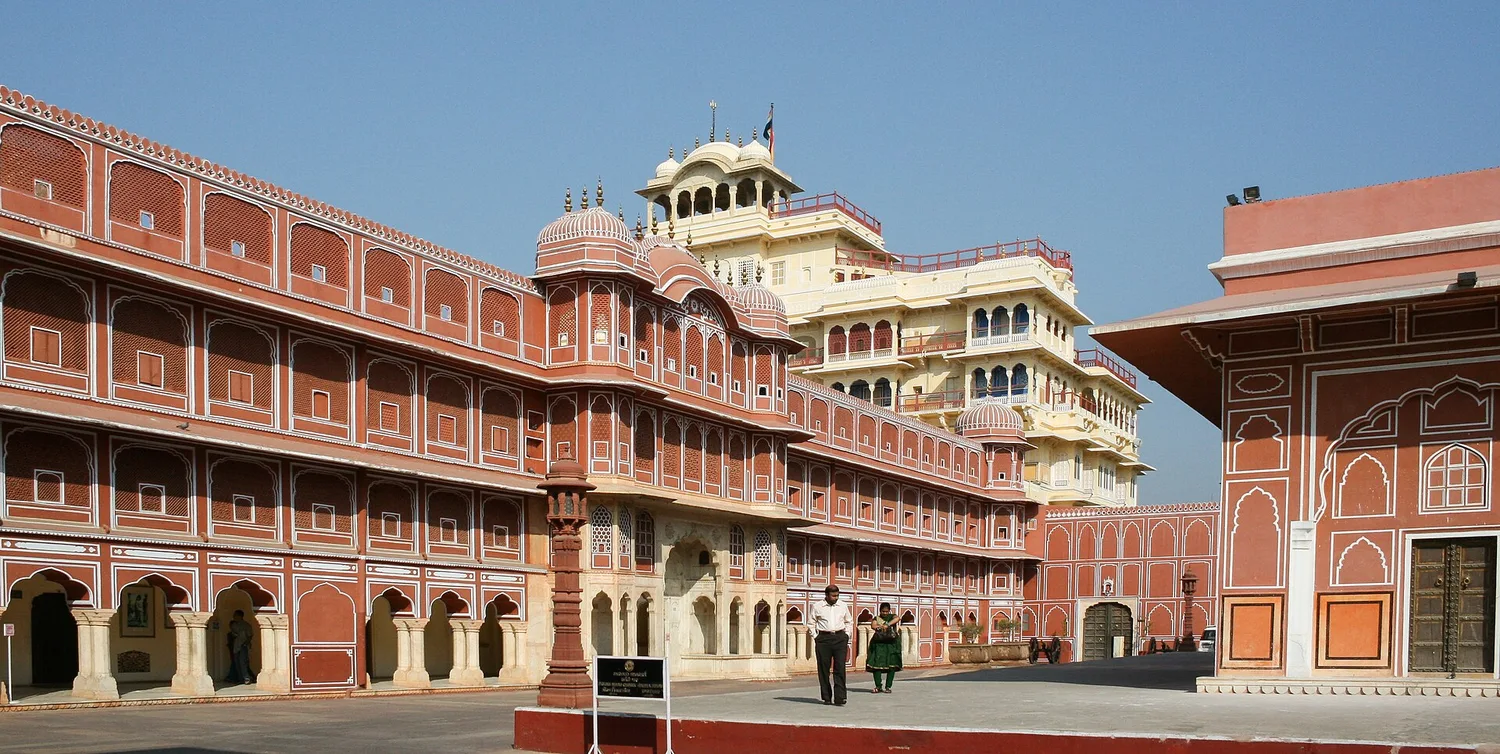
Construction began after Sawai Jai Singh II shifted his capital from Amer and founded Jaipur in 1727. Successive rulers expanded the complex, so the architecture mixes Rajput courtyards with later details influenced by Mughal and European styles. Part of the palace remains a royal residence, while other areas function as museums. This living history explains why visitor access varies by ticket rather than opening every room. The site stands at the centre of the walled city, close to the old ceremonial streets.
What rooms and courtyards deserve time?
Look for the open courtyards, ceremonial gateways and the four painted doors around Pritam Niwas Chowk, then visit the collections included in your ticket. Textiles, arms, manuscripts and royal objects help place the buildings in context. Premium experiences may open areas not included in a standard entry, so compare the official categories before paying. Photography rules can differ between rooms. Plan a deliberate route rather than trying to cover every gallery in a short window; the marble paving and changing light are easy to miss when hurrying.
When is the best time to enter?
A morning visit is generally cooler and gives more time to explore before the old-city lanes become busier. Set aside about two to three hours for the main courtyards and exhibits; special experiences can take longer. Current hours and Indian or foreign visitor prices are approximate until checked at the palace counter or official booking channel. Festival ceremonies or private functions may alter access. Bring water for the walk between galleries, and allow a few minutes for security checks before a timed entry.
Where should a cab drop passengers?
Use the designated vehicle approach near the Tripolia or Jantar Mantar side as directed locally; the car may not reach the palace gate because the surrounding streets are narrow and regulated. Ask the driver to identify a clear return meeting point before you walk in. A sedan is adequate for a small party, but a group with several suitcases should leave luggage at the hotel rather than carry it through security. Nearby Hawa Mahal and Jantar Mantar are often reached on foot.
Which tour pairs well with the palace visit?
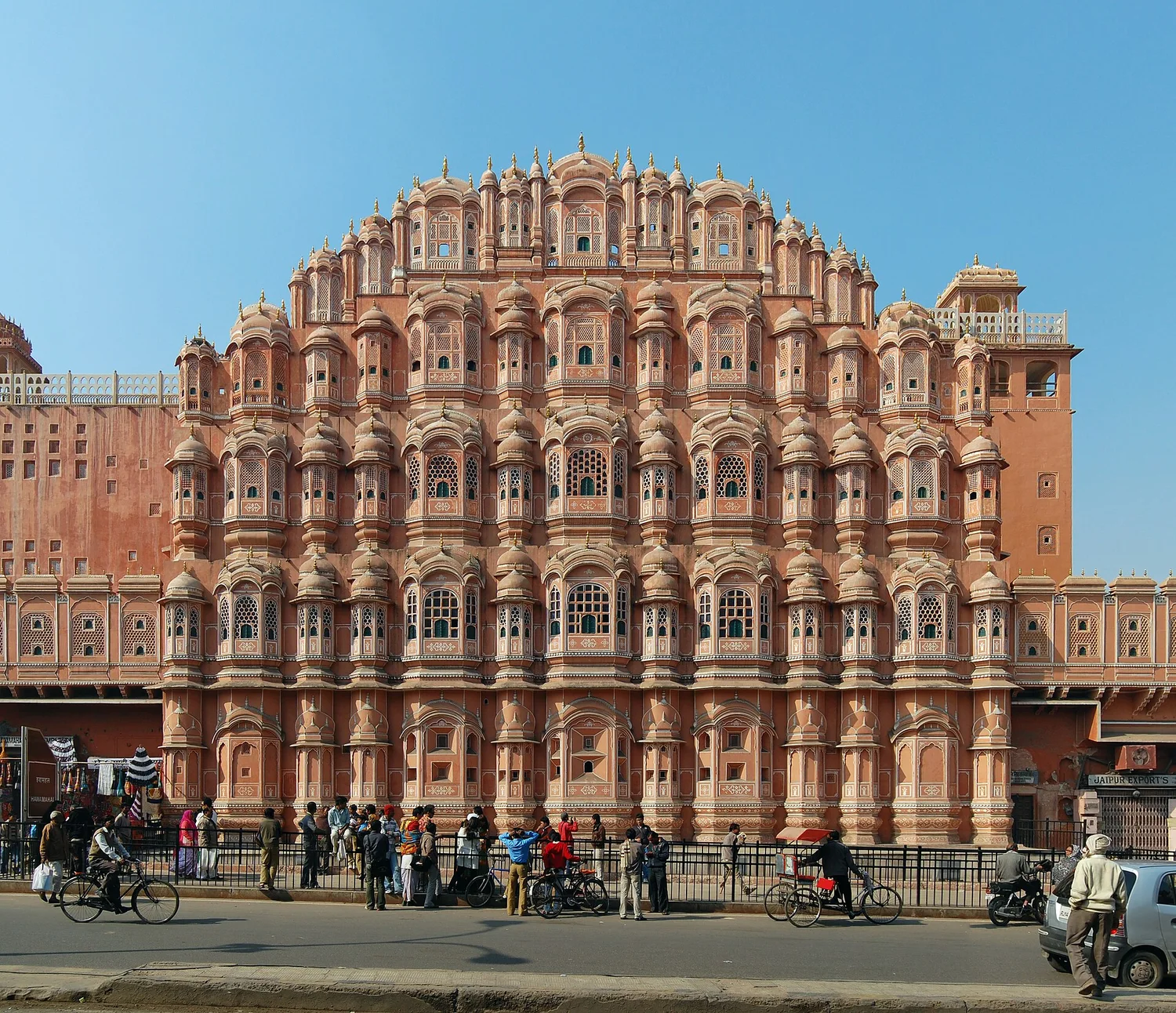
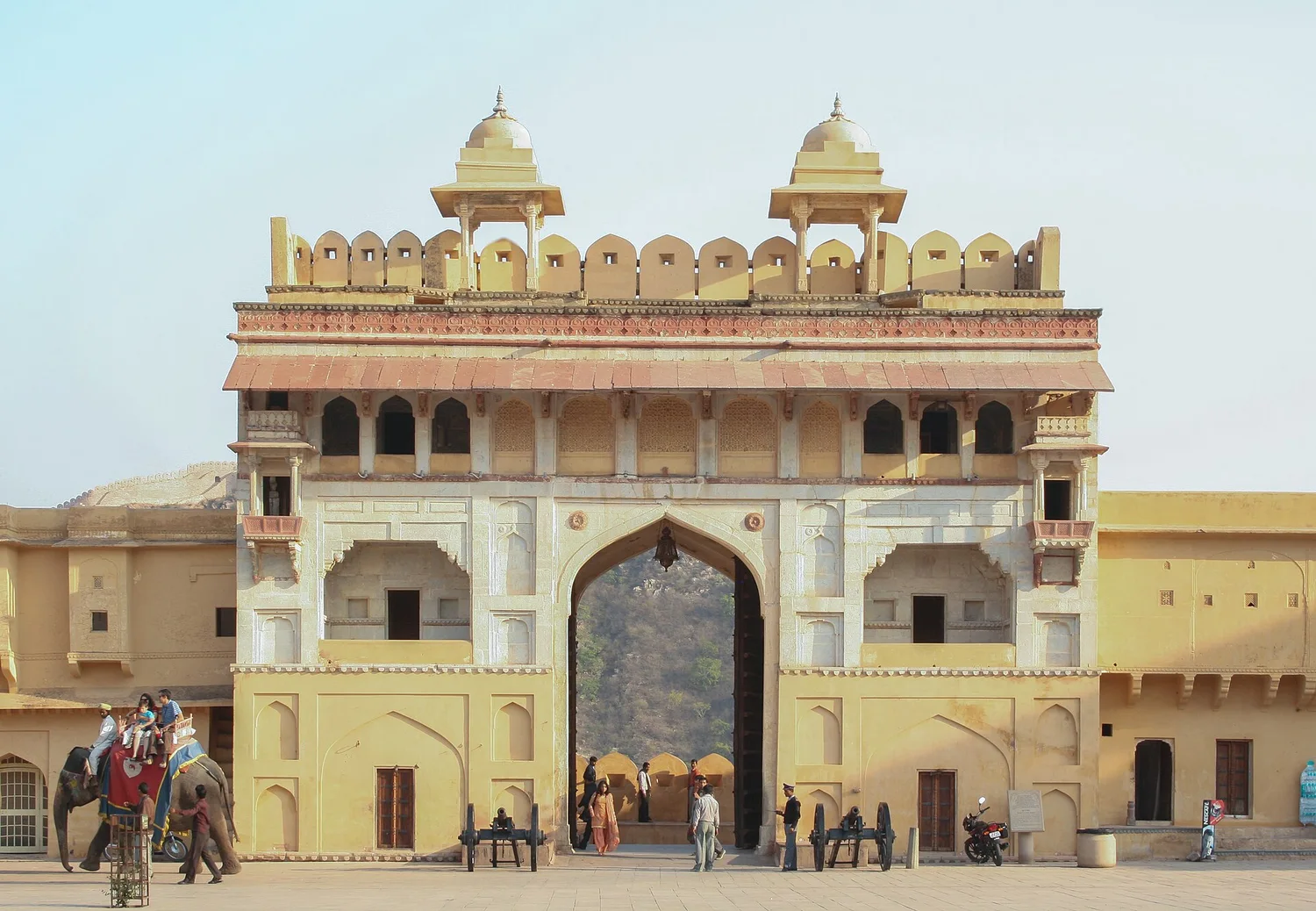
The Jaipur half-day tour can focus on the old city, while the full-day Jaipur tour adds Amer Fort and a drive past Jal Mahal. Keep the palace and observatory together if you want fewer car movements; Jantar Mantar is immediately nearby. Hawa Mahal is another short walk, but market traffic and walking pace affect the total visit. Tell the driver whether you want an exterior photo stop or full museum entries when agreeing the itinerary.